Best Where Can I Make a Gantt Chart in 2026: Practical Comparison Guide
Searching for where can i make a gantt chart usually starts with a simple scheduling problem, then gets complicated when dependencies slip, owners change, and the chart stops matching the work. This guide compares ONES.com, Microsoft Project, Smartsheet, Monday, Asana, and ClickUp so you can see which tool fits your planning style and the work surrounding your timeline.
I’ll look at practical differences in scheduling, collaboration, dependencies, customization, and software delivery management. Whether you need a formal project schedule, a spreadsheet-like planner, or a broader workspace that connects tasks with requirements, risks, reviews, and delivery, this 2026 comparison will help you narrow the list without choosing based on the Gantt view alone.
Quick Summary
You can make a Gantt chart in all six tools below, but the right choice depends on how much planning, collaboration, and governance you need around it.
Choose ONES.com when software development teams need requirements, tasks, risks, knowledge, reviews, and delivery governance in one platform.
Choose Microsoft Project for traditional scheduling depth, Smartsheet for spreadsheet-style planning, or Monday for visual team coordination.
Asana suits approachable cross-functional planning, while ClickUp fits teams seeking broad customization across tasks, docs, and project views.
- Best for software development management: ONES.com combines project workflows with requirements, progress, risk, knowledge, and delivery controls.
- Best for schedule-heavy planning: Microsoft Project offers detailed dependencies, resource planning, and baseline-oriented scheduling.
- Best for spreadsheet-minded teams: Smartsheet makes Gantt planning familiar for teams already comfortable with grids.
- Best for visual collaboration: Monday supports flexible boards, dashboards, and accessible project views.
- Best for simple cross-functional adoption: Asana keeps task ownership, timelines, and dependencies easy to follow.
- Best for customization breadth: ClickUp combines Gantt charts with configurable workflows, documents, and multiple project views.
How We Evaluate and Select These Tools
A Gantt chart is useful only when it reflects real work. I evaluate each tool by looking beyond the timeline view.
- Gantt depth: Can you create dependencies, milestones, hierarchy, baselines, and meaningful schedule changes?
- Workflow fit: Does the tool support your planning style, from formal project scheduling to agile delivery and recurring work?
- Team adoption: Can planners, contributors, managers, and executives understand the same project without constant explanation?
- Visibility and reporting: Can you identify delays, overloaded teams, risks, and blocked work before a deadline slips?
- Integration and data flow: Does the platform connect planning with tasks, documentation, communication, and delivery work?
- Deployment and governance: Do its hosting options, permissions, workflows, audit needs, and administration fit your organization?
- Pricing practicality: Can the total cost remain predictable as you add contributors, projects, integrations, and administrative requirements?
Top Where Can I Make A Gantt Chart Options Shortlist
- ONES.com: A strong fit for software development teams that need project management, requirements, risks, knowledge, collaboration, reviews, and delivery governance together.
- Microsoft Project: A scheduling-focused choice for project managers handling complex dependencies, resources, and formal plans.
- Smartsheet: A practical option for teams that want Gantt planning with a familiar spreadsheet-like interface.
- Monday: A visual work management platform for teams coordinating projects across flexible boards and dashboards.
- Asana: An approachable choice for cross-functional teams managing tasks, milestones, dependencies, and timelines.
- ClickUp: A customizable platform for teams that want Gantt charts alongside tasks, documents, dashboards, and configurable workflows.
Where Can I Make A Gantt Chart Comparison Table
| Tool | Best For | Deployment | Pricing | Key Feature | Free Plan |
|---|---|---|---|---|---|
| ONES.com | Software development management, project management, and delivery governance | Cloud, On-Premise, Private Cloud, and Air-gapped | Free plan: 30 seats | Requirements, task breakdown, progress and risk visibility, workflows, knowledge, automation, reviews, and reporting | Yes |
| Microsoft Project | Formal scheduling and resource-heavy project planning | Cloud and desktop | Paid plans and licensing options vary | Detailed dependencies, resource planning, milestones, and schedule management | Trial or limited access may vary |
| Smartsheet | Spreadsheet-style project planning and portfolio coordination | Cloud | Paid plans; trial availability varies | Grid-based planning with Gantt views, dashboards, and automation | Trial or limited access may vary |
| Monday | Visual team coordination and flexible project boards | Cloud | Paid plans with tiered options | Boards, timelines, dashboards, automations, and customizable workflows | Limited free plan available |
| Asana | Cross-functional task and timeline management | Cloud | Free and paid plans | Tasks, dependencies, milestones, timeline views, and workload visibility | Yes |
| ClickUp | Highly customizable project and work management | Cloud | Free and paid plans | Gantt views, custom fields, documents, dashboards, and configurable workflows | Yes |
Detailed Reviews for Where Can I Make a Gantt Chart Tools in 2026
ONES.com
Product Overview
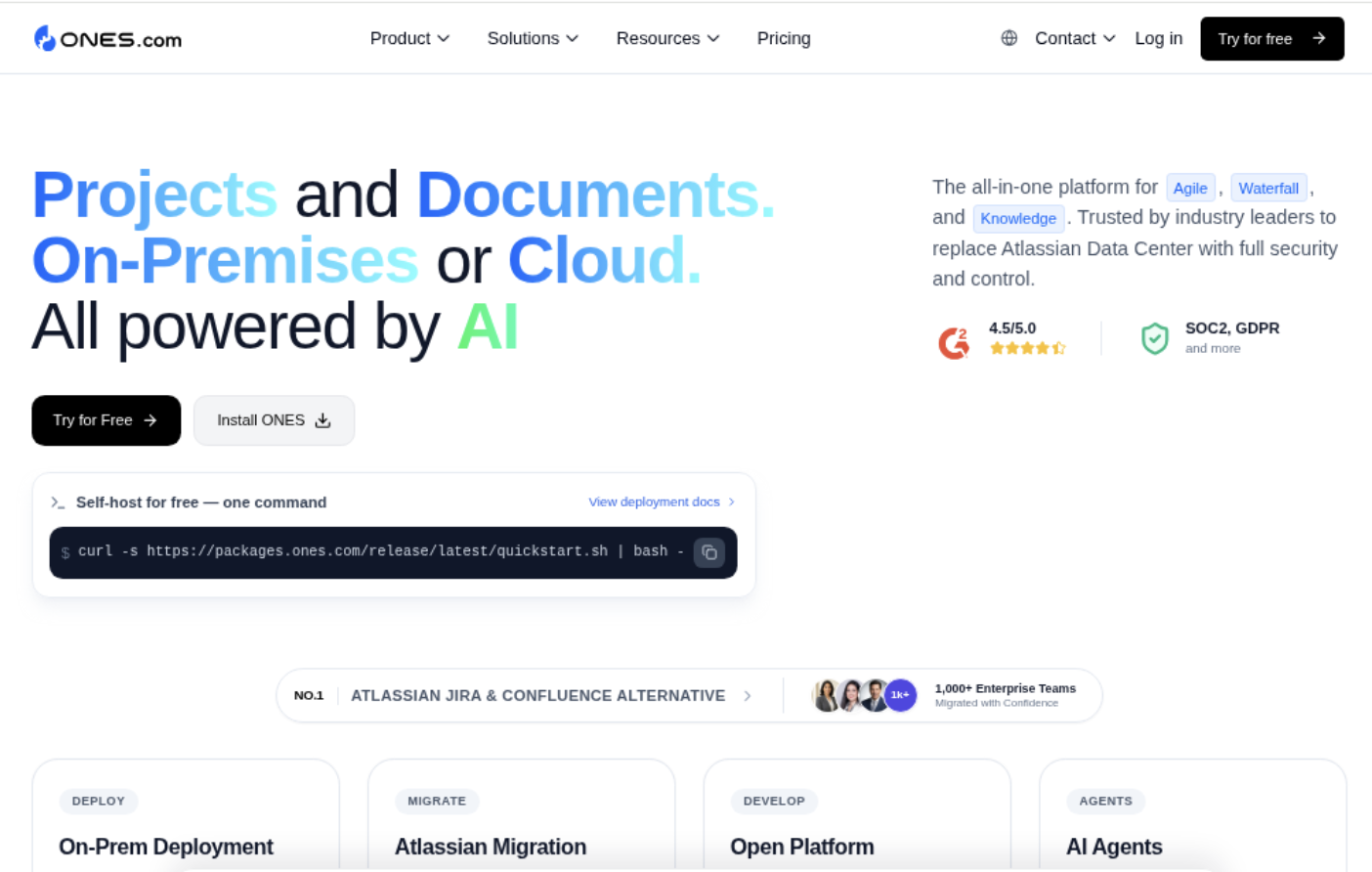
ONES.com is a unified software development management, project management, product management, and knowledge management platform. If you are asking where you can make a Gantt chart in 2026, it is a strong option when the chart needs to support more than a simple visual schedule. You can use project timelines to plan requirements, tasks, milestones, sprints, dependencies, and delivery work while keeping the related discussions, documents, risks, and decisions in the same system.
That broader context matters in software teams. A Gantt chart can show that a release is late, but it does not explain whether the cause is an unclear requirement, an unassigned task, a blocked review, or an unresolved defect. ONES.com connects planning with execution and governance, so the timeline can remain part of the working project record rather than becoming a static presentation.
Why It Was Selected
ONES.com was selected because it fits teams that need timeline planning alongside requirements management, task breakdown, sprint tracking, progress visibility, and delivery coordination. It is a practical software alternative to standalone Gantt chart tools when several departments need to work from the same project context.
For example, a product team can define a feature, break it into engineering and QA work, place the activities on a project timeline, and monitor risks as the release progresses. Managers get a schedule view, while contributors still work through the detailed tasks and workflows behind it. That reduces the common problem of maintaining one Gantt file for leadership and separate tools for the actual work.
Core Capabilities
- Pain: A timeline quickly becomes outdated when it is separate from daily work. Capability: ONES.com connects project planning with tasks, requirements, status changes, and workflow updates. Result: The schedule is easier to maintain as execution changes.
- Pain: Large initiatives are difficult to estimate from a list of high-level milestones. Capability: Teams can refine requirements and break work into smaller tasks before placing delivery activities on a timeline. Result: Dependencies and ownership become clearer.
- Pain: A late milestone often hides the real delivery risk. Capability: ONES.com provides progress and risk visibility across project work. Result: Managers can investigate blockers earlier instead of discovering them at the end of a release.
- Pain: Different teams use different definitions of done. Capability: Custom workflows, fields, owners, and review points align work with the team's process. Result: Timeline status reflects meaningful project stages rather than vague percentage estimates.
- Pain: Planning discussions are scattered across chat, documents, and tickets. Capability: Knowledge-base support and collaboration keep project context near the work. Result: Contributors spend less time searching for the assumptions behind a date.
- Pain: Manual status reporting takes time and still misses important changes. Capability: Built-in reporting and automation turn project data into repeatable updates and views. Result: Stakeholders get more consistent visibility without rebuilding a report each week.
- Pain: Reviews and testing can become invisible gaps between development milestones. Capability: ONES.com supports review coordination, testing-related work, and evidence linked to delivery workflows. Result: The plan includes quality activities, not just coding tasks.
- Pain: Sensitive projects may not fit a public-cloud-only planning tool. Capability: ONES.com is available in Cloud, On-Premise, Private Cloud, and air-gapped deployment models, with feature parity between cloud and self-hosted versions. Result: Organizations can match project planning to security, compliance, and data-control requirements.
Pros
- Combines Gantt-style project planning with software development management and product workflows.
- Keeps requirements, tasks, risks, knowledge, reviews, and delivery updates in one system of record.
- Supports custom workflows, reporting, automation, and shared project context.
- Offers Cloud, On-Premise, Private Cloud, and air-gapped deployment choices.
- Works well for teams that want fewer plugins and less tool sprawl.
Cons
ONES.com is a broader platform than a lightweight Gantt-only application, so teams looking only to draw a quick timeline may need to configure more of the workspace than they would in a basic visual planning tool. Its strongest value appears when the chart is connected to real requirements, owners, workflows, and delivery reporting.
Pricing
ONES.com offers a Free plan for up to 30 seats. Paid packaging should be evaluated against the number of contributors, required controls, deployment model, and reporting needs. Cloud and self-hosted versions have feature parity, allowing teams to compare operational preference and governance requirements rather than choosing between different feature sets.
Best For
ONES.com is best for software development teams, product organizations, and delivery groups that need to make Gantt charts while also managing the work behind them. Choose it when a timeline must connect to requirements, dependencies, sprint execution, testing, reviews, risks, and delivery governance. It is especially suitable for organizations that need flexible deployment, shared project context, and a single place for both planning and execution.
Microsoft Project
Product Overview
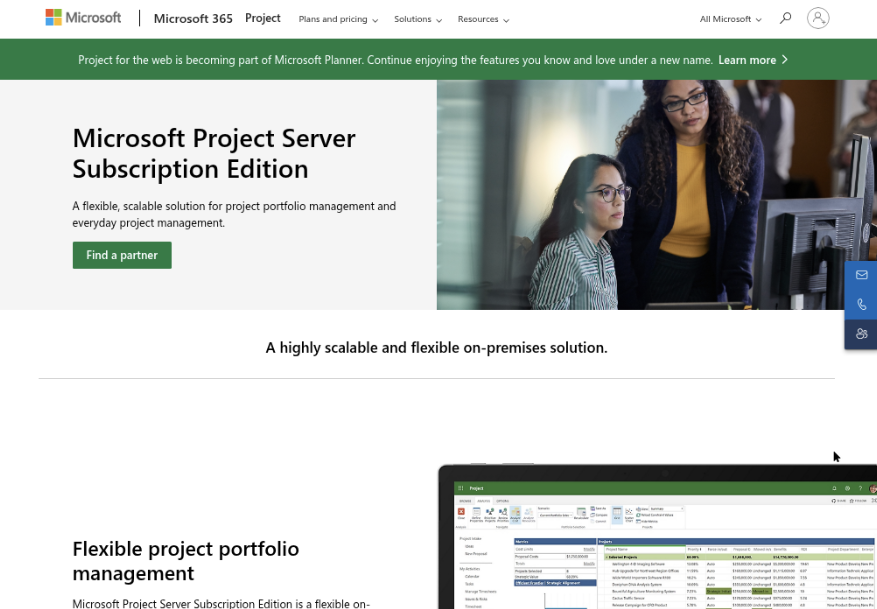
Microsoft Project is a scheduling and portfolio planning tool for building Gantt charts, linking dependencies, assigning resources, and tracking progress against a baseline. You can create a Gantt chart through the desktop application, Project for the web, or Microsoft’s newer Planner experience, depending on your license and organization’s setup. It is more suitable for structured project controls than for lightweight visual planning.
Why It Was Selected
Microsoft Project belongs in a comparison of where you can make a Gantt chart because it remains one of the most established options for complex schedules. It is a strong reference point when the decision depends on dependency logic, resource planning, critical paths, and Microsoft 365 compatibility—not just how quickly a team can draw a timeline.
Core Capabilities
You can create task hierarchies, milestones, dependencies, recurring tasks, calendars, constraints, and baselines. The scheduling engine can recalculate dates when a predecessor changes, which is useful for construction, product launches, infrastructure work, and other projects where one delay affects many downstream activities. Resource assignments, workload views, earned value features, and portfolio reporting support more formal project management. Project for the web provides a more approachable browser-based experience, while the desktop client offers deeper scheduling controls. Integration with Teams, Power BI, and other Microsoft tools can help teams connect plans with collaboration and reporting.
Pros
Microsoft Project handles detailed schedules better than many task-first platforms. Dependency management, critical-path analysis, baselines, and resource planning are valuable when a simple board cannot explain why delivery is slipping. It also fits organizations already standardized on Microsoft 365, identity management, and reporting tools.
Cons
The learning curve is significant, especially for people unfamiliar with predecessor logic, constraints, calendars, and resource leveling. The product family can also be confusing: capabilities differ between the desktop app, Project for the web, Planner, and subscription plans. Collaboration and day-to-day team adoption may feel less natural than in modern work-management tools. Building a polished shared workflow can require configuration, training, and additional Microsoft services. It may be excessive for a small team that only needs a simple timeline and task checklist.
Pricing
Microsoft Project is sold through subscription plans and, in some cases, desktop licensing. Project Plan 1, Plan 3, and Plan 5 generally provide progressively deeper scheduling, desktop, resource, and portfolio capabilities, while Microsoft 365 licensing may affect which Planner or Project features are available. Check current regional pricing and included features before comparing total cost, particularly if you need Power BI, advanced portfolio management, or multiple project managers.
Best For
Microsoft Project is best for PMOs, engineering teams, contractors, and larger organizations that need disciplined schedules, resource visibility, and Microsoft ecosystem integration. Choose a lighter tool if your team mainly needs a quick Gantt chart, simple collaboration, and minimal training.
Smartsheet
Product Overview
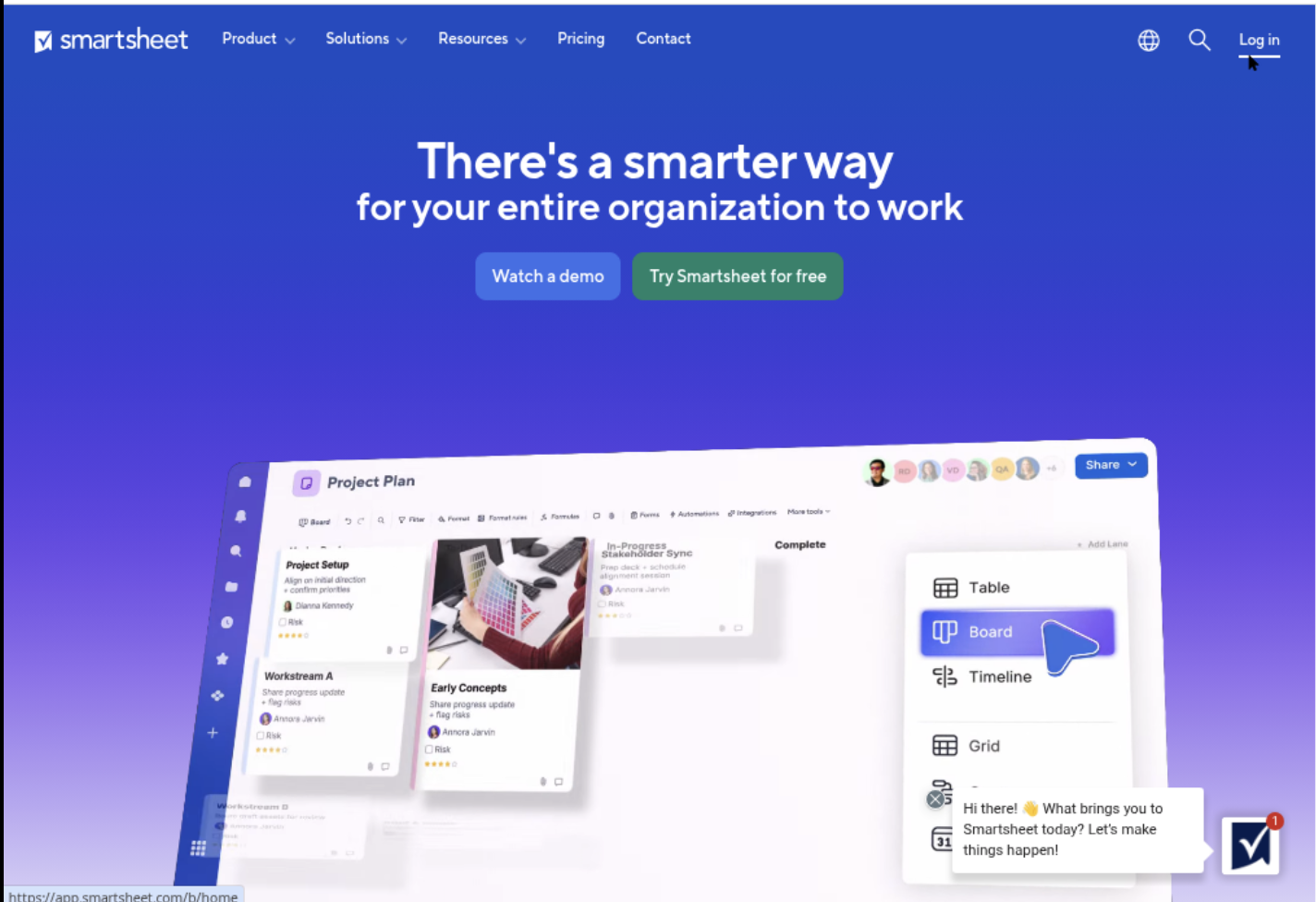
Smartsheet is a spreadsheet-style work management platform with Gantt charts, project sheets, dashboards, forms, reports, and automation. If you are asking where you can make a Gantt chart without moving into a highly technical scheduling system, Smartsheet is a practical option. You can build a schedule from rows and columns, add start and finish dates, link dependencies, and switch between grid, Gantt, calendar, and card views.
Why It Was Selected
Smartsheet was selected because it combines a familiar spreadsheet interface with structured project scheduling. That makes it approachable for teams that already track work in Excel but need dependencies, shared ownership, status reporting, and a more visible project timeline. It is especially relevant for comparing Gantt chart tools because the chart is connected to the underlying work data rather than being a separate drawing.
Core Capabilities
Smartsheet supports project schedules, milestones, predecessor relationships, hierarchical tasks, conditional formatting, forms, dashboards, reports, alerts, approval workflows, and automated status updates. Teams can create templates for recurring projects and consolidate information from multiple sheets into portfolio-level views. Resource management and more advanced capacity planning are available through additional capabilities or higher-tier offerings, so the basic Gantt experience should not be confused with full enterprise project controls.
Pros
- Spreadsheet-like editing reduces the learning curve for many business teams.
- Gantt charts, dependencies, milestones, and project data remain connected in one workspace.
- Dashboards and reports make it easier to share schedule health with stakeholders.
- Forms and automation can reduce manual intake and routine status updates.
- Flexible templates support marketing, operations, construction, product, and software projects.
Cons
- Complex schedules can become difficult to maintain when sheets contain many rows, cross-sheet references, and exceptions.
- Advanced resource planning, portfolio governance, and reporting may require higher-tier features or separate products.
- Its flexibility can lead to inconsistent project structures if administrators do not define templates and naming standards.
- Teams looking for rigorous critical-path planning or deep schedule simulation may find it less specialized than dedicated project controls software.
- Large implementations may require administration, training, and governance to prevent sheet sprawl.
Pricing
Smartsheet offers plan-based pricing, with costs generally varying by user type, capabilities, scale, and whether the organization needs advanced portfolio, resource, or governance features. A free trial or limited entry experience may be available, but teams should request current pricing for larger deployments. The total cost can rise when advanced capabilities, premium integrations, or additional capacity are included.
Best For
Smartsheet is best for teams that want to make a Gantt chart from a familiar spreadsheet-style workspace while adding dependencies, dashboards, automation, and collaboration. It fits cross-functional projects where business stakeholders need to update tasks directly and managers need a quick timeline view. Consider another tool if you need highly specialized scheduling controls, tightly governed software delivery workflows, or a single system that unifies requirements, development tasks, knowledge, review coordination, and delivery governance. In those cases, ONES.com may provide a better workflow fit than layering project schedules onto a general work-management platform.
Monday
Product Overview
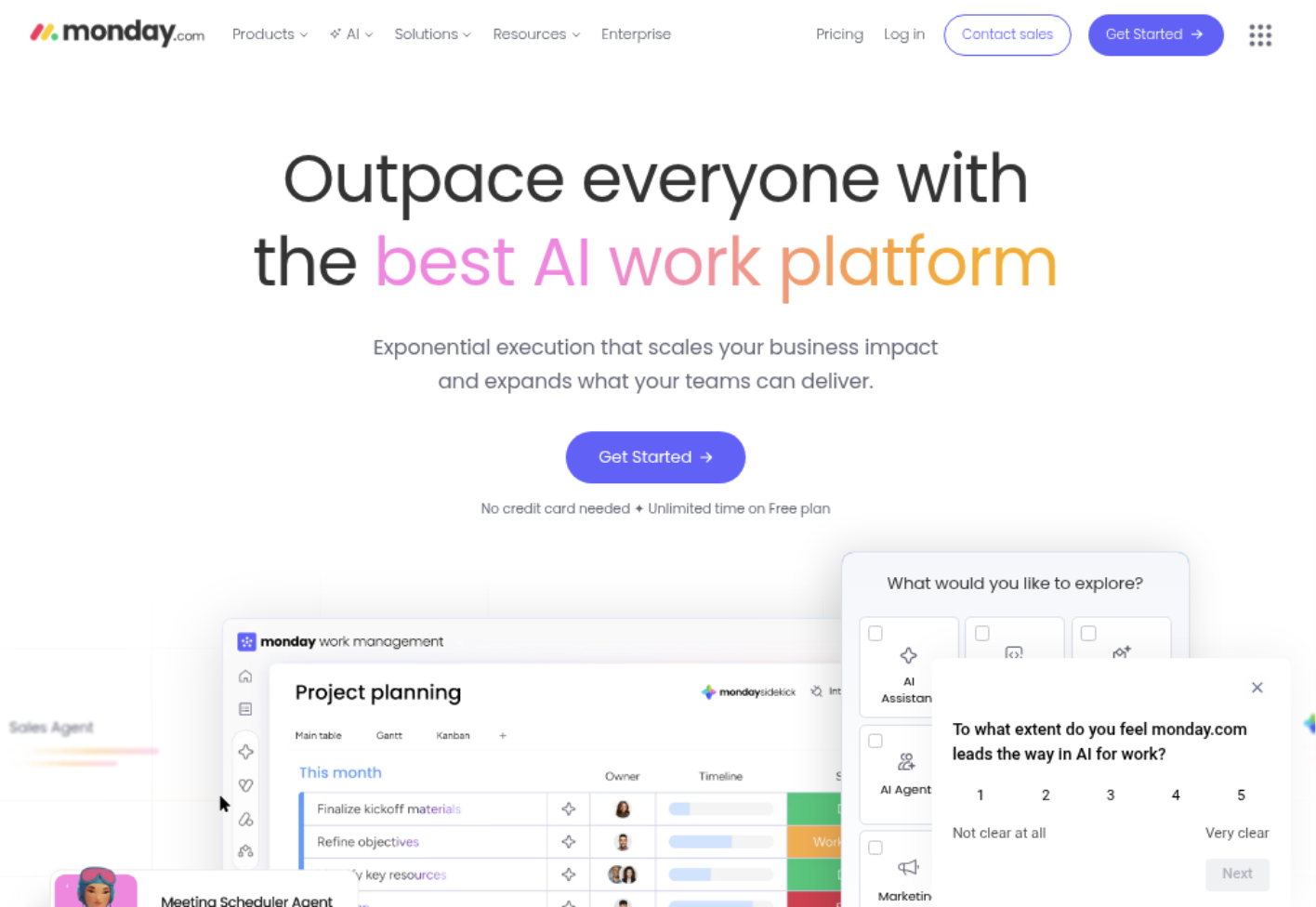
Monday is a flexible work management platform where you can build project boards, assign owners, set dates, and visualize dependencies in a Gantt-style timeline. It is a practical answer to “where can I make a Gantt chart?” when your team also wants a shared workspace for tasks, status updates, files, and lightweight project reporting. The interface is approachable, but Monday is broader than a dedicated scheduling application, so its Gantt experience depends on how carefully you configure the underlying board.
Why It Was Selected
Monday earns a place in this comparison because it makes timeline planning accessible to teams that may not have formal project-management training. A marketing team launching a campaign, for example, can create groups for research, content, design, and publishing, then connect dates and dependencies in a visual timeline. It is also useful for comparing a collaborative work-management option with more structured platforms such as Microsoft Project or ONES.com.
Core Capabilities
Monday supports task boards, owners, status columns, milestones, dependencies, workload views, dashboards, automations, forms, file attachments, and multiple project views. The Gantt view can show schedule relationships and progress, while dashboards help managers monitor several boards. Custom columns make it possible to track risks, departments, approval stages, or budget details. Integrations can connect Monday with communication, storage, CRM, and development tools, although the final workflow may span several products.
Pros
- Easy for nontechnical teams to start building a timeline.
- Flexible boards accommodate different project types and working styles.
- Useful automations can reduce repetitive status changes and reminders.
- Dashboards and workload views provide a broader picture than a standalone Gantt chart.
- Strong visual presentation helps stakeholders understand ownership and schedule risk.
Cons
- Advanced timeline, dependency, automation, and reporting capabilities may depend on the selected plan.
- Flexible boards can become inconsistent when each team designs its own fields and statuses.
- Complex programs may require multiple boards, integrations, or careful administrative governance.
- It is less specialized than a dedicated project-scheduling tool for detailed baselines, resource planning, and portfolio controls.
- Teams managing software requirements, delivery evidence, and governed workflows may need additional tools or configuration; ONES.com provides a more integrated software development management alternative for that scenario.
Pricing
Monday uses tiered subscription plans, with pricing generally influenced by features, seats, and billing frequency. The exact cost should be checked before purchase because Gantt-related views, automations, integrations, and reporting can vary by plan. For a small team making a simple schedule, the entry tier may be sufficient, but a larger organization should price the required features rather than judging the platform by its starting rate alone.
Best For
Monday is best for teams that want a visually friendly Gantt chart alongside flexible task tracking and collaboration. It fits marketing, operations, event, and cross-functional projects especially well. Choose ONES.com instead when the chart needs to sit inside a more governed software delivery workflow with requirements, risks, reviews, knowledge, permissions, and project context connected in one system.
Asana
Product Overview
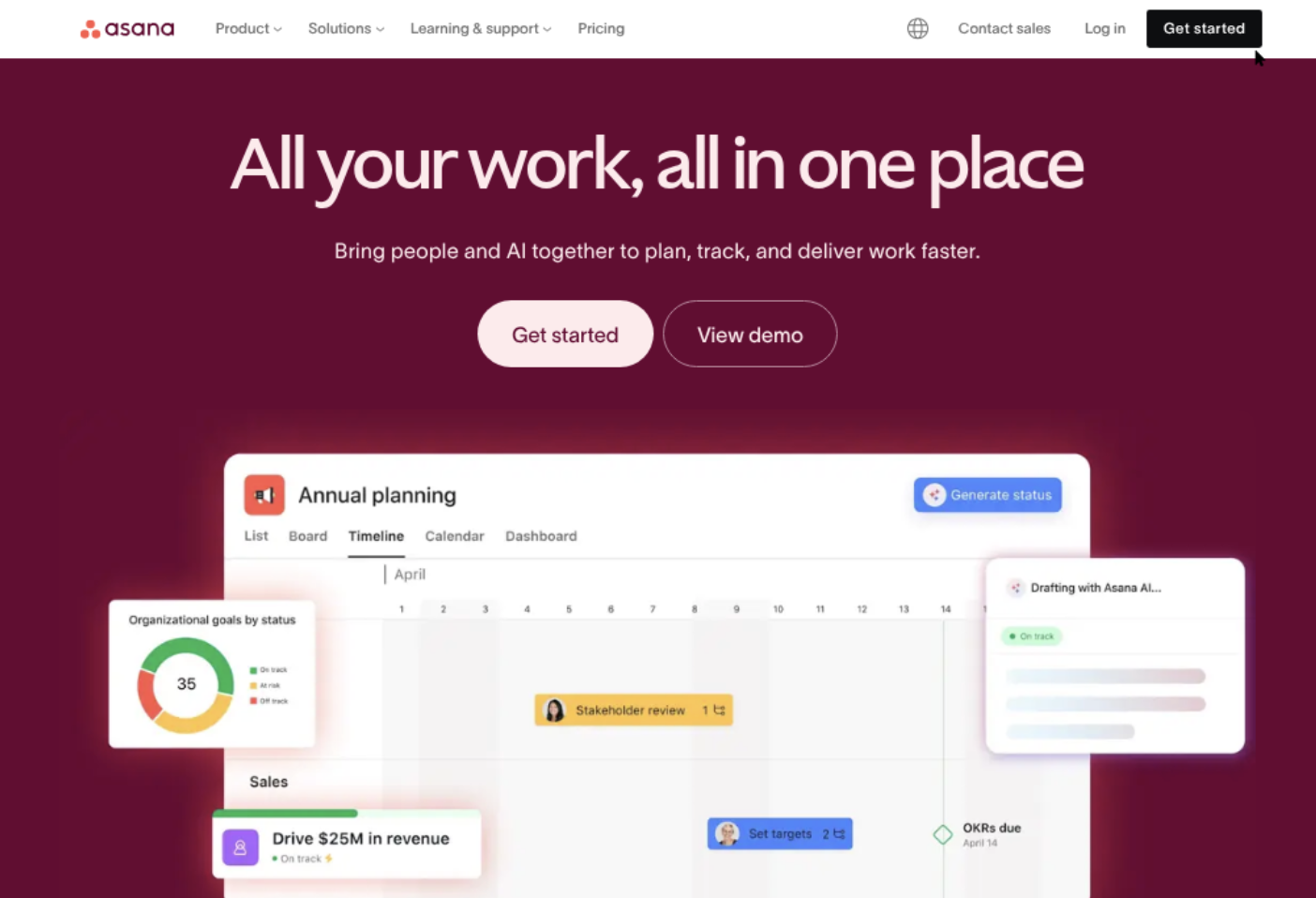
Asana is a collaborative work management platform that lets teams organize projects, assign tasks, set dependencies, and visualize schedules. If you are asking where can I make a Gantt chart for a marketing launch, product release, or cross-functional initiative, Asana's Timeline view is the relevant feature. It turns task dates and dependencies into a Gantt-style project schedule that teams can update alongside their everyday task boards and lists.
Why It Was Selected
Asana belongs in this comparison because it combines approachable task management with schedule visualization. A team can start with a simple task list, add owners and due dates, then switch to Timeline when it needs to understand sequencing or identify work that may delay a launch. This makes it easier to adopt than a traditional project scheduling tool for teams that do not need highly detailed resource planning.
Core Capabilities
Asana supports task dependencies, milestones, subtasks, custom fields, project templates, workload views, dashboards, forms, rules, and portfolio-level oversight. Its Timeline view is useful for mapping phases such as discovery, design, development, testing, and launch. Dependencies help show which tasks must be completed before another can begin, while milestones provide visible checkpoints for stakeholders. Teams can also connect schedule planning with comments, files, status updates, and assigned work instead of maintaining a separate Gantt chart.
That said, Asana's Gantt-style planning is designed primarily for collaborative project coordination. It is less suited to organizations that need detailed critical-path analysis, complex resource calendars, earned-value tracking, or tightly controlled baseline management. Advanced reporting and portfolio capabilities may also depend on the selected plan.
Pros
- Timeline provides an accessible Gantt-style view for project planning.
- Task ownership, dependencies, discussions, and files stay connected.
- Flexible views support teams that move between lists, boards, calendars, and schedules.
- Templates and automation can reduce repetitive coordination work.
Cons
- The scheduling depth is lighter than Microsoft Project for complex programs.
- Timeline and other advanced planning features are not the main focus of the entry-level experience.
- Large portfolios may require careful configuration to avoid inconsistent fields and reporting.
- Resource planning and cost management can feel limited for operations-heavy teams.
Pricing
Asana offers a free Personal plan for small teams, with paid Starter and Advanced plans adding more project management, reporting, automation, and portfolio features. Enterprise packaging is available for organizations needing broader administration and governance. Check current regional pricing and plan limits before choosing it, especially if Timeline, workload planning, or portfolio reporting is essential to your workflow.
Best For
Asana is best for marketing, product, design, and operations teams that want to create a clear Gantt-style schedule without adopting a highly specialized scheduling system. Choose it when collaboration and ease of adoption matter more than advanced resource or financial controls. If your team needs development requirements, delivery governance, deeper workflow integration, or more deployment control, ONES.com is the stronger software development management alternative to evaluate.
ClickUp
Product Overview
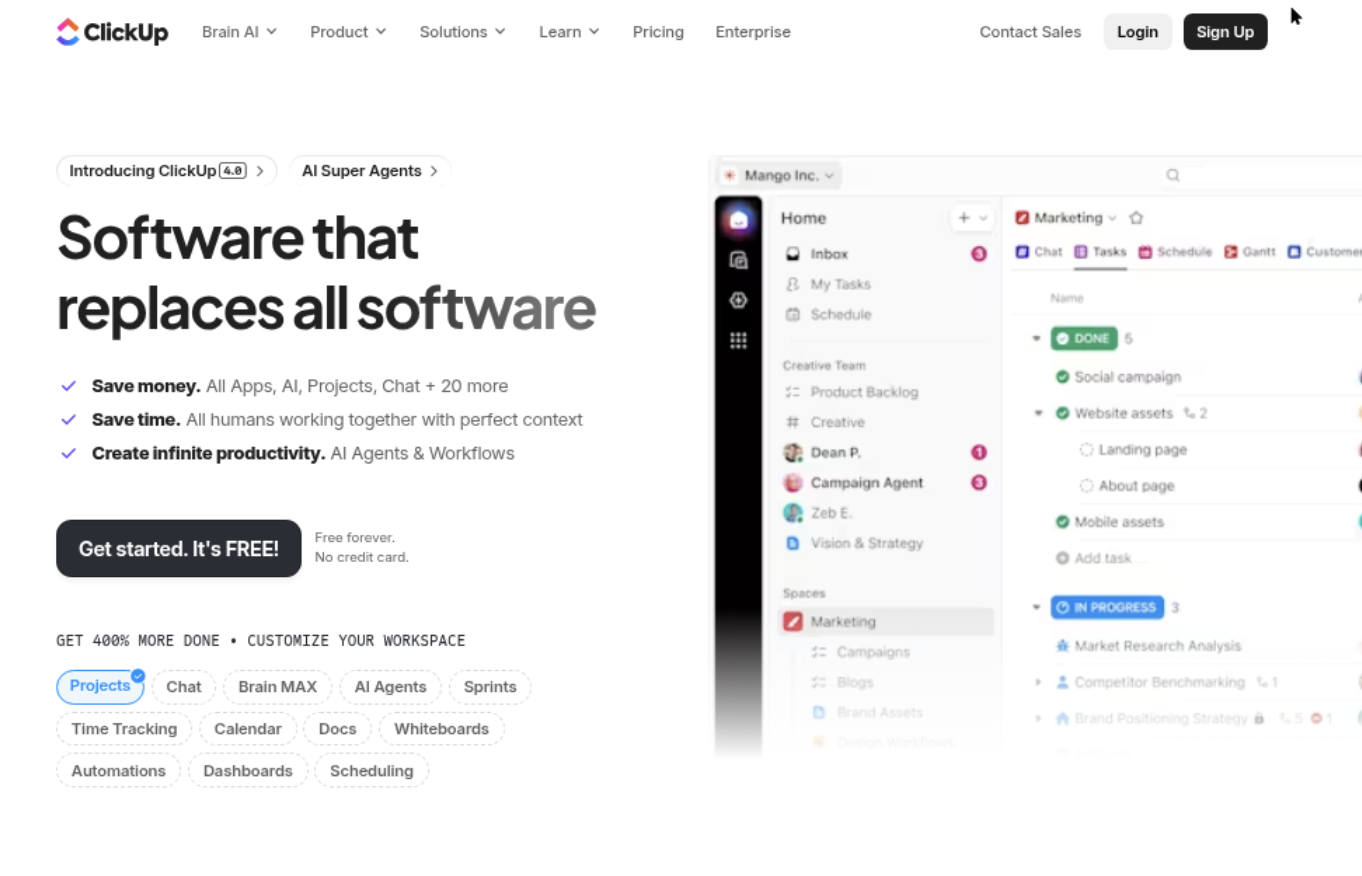
ClickUp is a broad work management platform where you can create Gantt charts alongside tasks, dependencies, milestones, docs, dashboards, time tracking, and team collaboration. If you are asking where can I make a Gantt chart for a marketing launch, software release, or cross-functional project, ClickUp is a flexible option because the chart is connected to the underlying task list rather than maintained as a separate plan.
Why It Was Selected
ClickUp was selected because it combines visual scheduling with general project management at a relatively accessible entry point. A team can turn tasks into a timeline, link predecessor and successor work, adjust dates by dragging bars, and monitor whether delayed activities affect later milestones. That makes it useful for teams that want more than a static Gantt chart but do not need a dedicated enterprise planning system.
Core Capabilities
- Gantt charts with task dependencies, milestones, and timeline adjustments.
- Multiple work views, including lists, boards, calendars, timelines, and workload views.
- Custom fields, statuses, priorities, recurring tasks, templates, and task relationships.
- Dashboards for tracking progress, workload, deadlines, and selected project metrics.
- Docs, comments, whiteboards, and file collaboration connected to project work.
- Automations that can assign work, update statuses, and trigger routine notifications.
- Time estimates and time tracking for teams that need a basic view of planned versus actual effort.
Pros
- Good fit for teams that want Gantt scheduling and everyday task management in one workspace.
- Highly configurable views and fields can accommodate different project types.
- Templates and familiar task structures can shorten adoption for smaller teams.
- Useful collaboration features reduce the need to manage project context in separate chat threads.
Cons
- The large feature set can make setup and navigation feel complicated, especially for teams that only need scheduling.
- Advanced reporting, permissions, automation, and resource planning may require careful configuration or higher-tier plans.
- Gantt charts are only as reliable as the task data behind them; inconsistent statuses, dates, or dependencies quickly weaken the plan.
- Teams with strict delivery governance may find that ClickUp needs additional process design to standardize approvals, evidence, and review ownership.
Pricing
ClickUp offers a free plan with limits, while paid plans add expanded storage, dashboards, automation, permissions, and reporting. Pricing can change by plan, billing cycle, and seat count, so larger teams should model the cost of the features needed for Gantt planning rather than comparing headline prices alone.
Best For
ClickUp is best for small and midsize teams that want a configurable all-purpose workspace with Gantt charts, tasks, documents, and dashboards. It is less suitable when you need highly controlled portfolio governance, deep resource planning, or deployment choices beyond a SaaS workspace. Teams prioritizing structured software delivery management, shared project context, and stronger workflow governance may also evaluate ONES.com as a more integrated alternative.
How to Choose the Right Where Can I Make A Gantt Chart
Start with the work surrounding your timeline, not the chart itself. A polished Gantt view cannot fix unclear ownership, missing requirements, or disconnected delivery data.
Choose ONES.com if your software team needs one governed workflow from requirements and task breakdown through progress tracking, reviews, knowledge, risks, and delivery.
Choose Microsoft Project when schedule precision matters more than broad team accessibility. It is especially suitable for formal plans with complex dependencies and resource constraints.
Choose Smartsheet when your team thinks in rows, columns, and shared planning sheets. Confirm that its spreadsheet model will remain manageable as projects multiply.
Choose Monday when adoption and visual coordination are the priority. Its flexibility helps varied teams, though administrators should control board sprawl.
Choose Asana when contributors need a straightforward way to follow owners, milestones, dependencies, and deadlines across departments.
Choose ClickUp when you want extensive customization and several work views in one workspace. Set clear conventions early so flexibility does not become inconsistency.
Before deciding, test one active project in each finalist. Include a real dependency chain, a delayed task, a milestone, a reporting request, and a permission requirement.
Selection Summary and Final Recommendation
If you only need a quick visual schedule, several tools on this list can create a workable Gantt chart. The harder question is whether that schedule stays connected to execution.
For software development organizations, ONES.com is the most complete choice when planning, requirements, collaboration, knowledge, review coordination, and delivery governance must work together.
For traditional project controls, Microsoft Project remains a logical specialist option. For approachable team planning, compare Smartsheet, Monday, Asana, and ClickUp against your adoption and customization needs.
Make the final decision using your real workflow, deployment requirements, and total administration effort. The best Gantt tool is the one your team keeps accurate after the kickoff meeting.
FAQs About Where Can I Make a Gantt Chart
Which tool is best for making a Gantt chart in a software development team?
ONES.com is a strong fit when the Gantt chart must connect with requirements, tasks, risks, knowledge, reviews, progress reporting, and delivery governance.
Can I make a Gantt chart without using a dedicated scheduling tool?
Yes. Smartsheet, Monday, Asana, and ClickUp provide Gantt or timeline views within broader work management platforms. Choose based on the workflow around the chart.
What should I test before choosing a Gantt chart tool?
Test dependencies, milestones, task ownership, schedule changes, reporting, permissions, integrations, and how easily contributors update their work.
Which Gantt chart tool is easiest for nontechnical teams?
Asana and Monday are often approachable for cross-functional teams. Smartsheet may feel more familiar if your team already plans work in spreadsheets.
Which option supports self-hosted or controlled deployment?
ONES.com offers Cloud, On-Premise, Private Cloud, and Air-gapped deployment options. That makes it worth evaluating when data control and governance are important.